

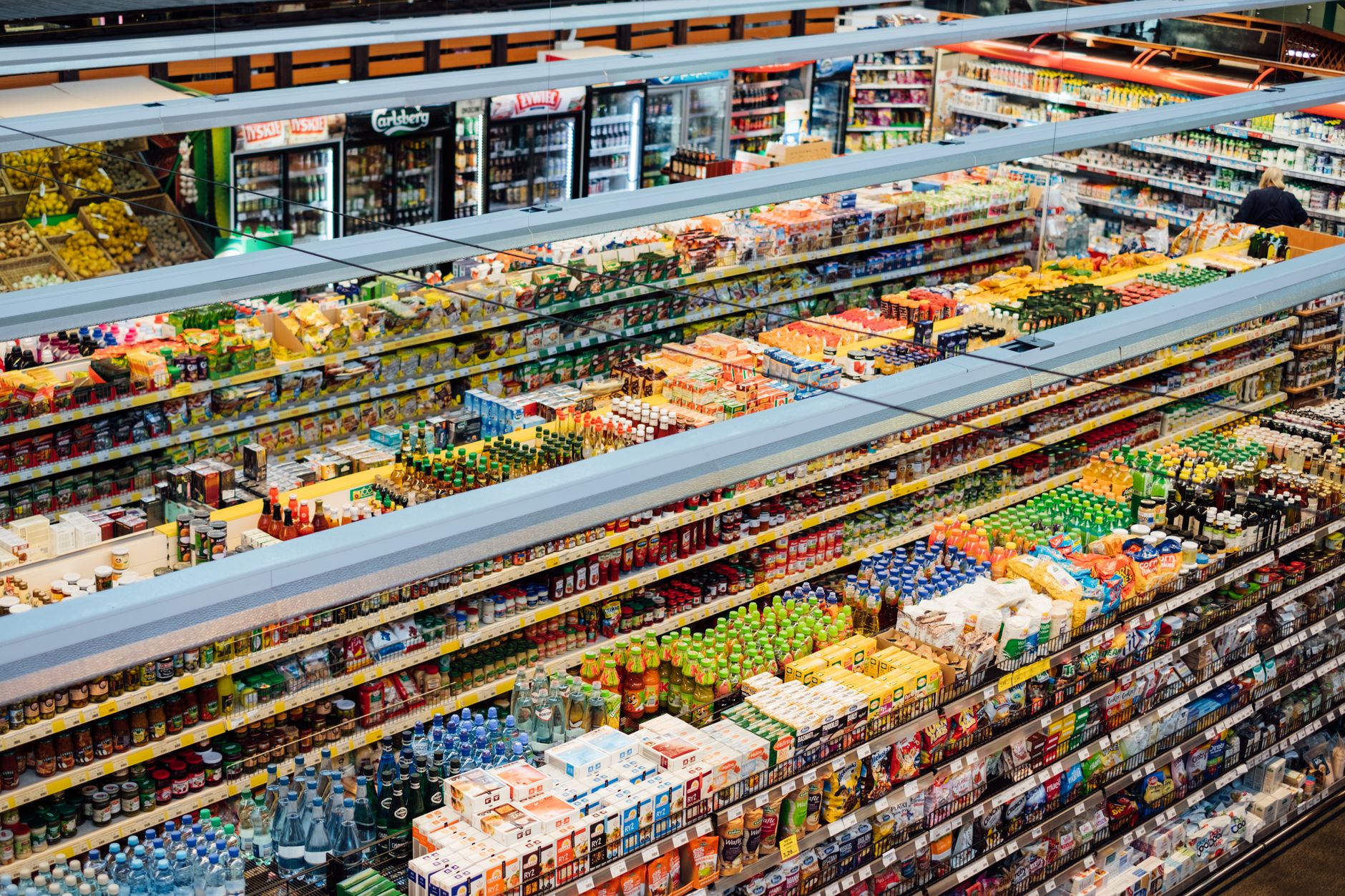
FMCG sales outlook indicates a slow start as inflation squeezes household spending. Retailers are facing challenges as consumers tighten their budgets during this festive season.
Current FMCG Sales Trends
The latest data reveals a concerning trend in the fast-moving consumer goods (FMCG) sector as sales have started off slowly this festive season. Retailers are expressing worries over the FMCG sales outlook, particularly as inflation continues to squeeze household spending.
Key factors influencing the current state of FMCG sales include:
- Inflationary Pressures: Rising prices on essential goods are leading consumers to cut back on discretionary spending.
- Changing Consumer Behavior: Shoppers are becoming more price-sensitive, opting for discounts and promotions.
- Supply Chain Disruptions: Ongoing challenges in logistics are impacting product availability and pricing.
- Seasonal Variation: Traditionally strong sales periods are not seeing the expected uplift, raising alarms for retailers.
As we progress through the festive season, industry experts are closely monitoring these trends. Many predict that if the current trajectory continues, it could lead to significant implications for overall FMCG sales in the coming months, potentially altering the landscape for retailers seeking to recover from previous downturns.
Impact of Inflation on Spending
The current economic climate, marked by rising inflation, is significantly impacting consumer behavior and spending patterns, particularly within the FMCG sector. Households are feeling the pinch as costs for essential items continue to rise, leading to more cautious purchasing decisions.
According to recent surveys, many consumers are prioritizing their spending on necessities while cutting back on optional purchases. This shift is reshaping the FMCG sales outlook for retailers, as they face a decline in volume sales despite stable price points.
Several key factors are influencing this trend:
- Increased Prices: Essential goods have seen significant price hikes, forcing families to allocate a larger portion of their budgets to basic needs.
- Reduced Disposable Income: Wage growth has not kept pace with inflation, leading to diminished purchasing power for many households.
- Consumer Sentiment: Growing concerns about economic stability have made consumers more hesitant to spend freely.
As a result, retailers must adapt to these changing dynamics, focusing on strategies that address the evolving FMCG sales outlook while trying to attract budget-conscious shoppers.
Consumer Sentiment During Festivities
As the festive season approaches, consumer sentiment remains a crucial factor influencing the FMCG sales outlook. Retailers are expressing growing concerns as early indications suggest a slow start to festive shopping. According to recent surveys, many households are tightening their budgets due to persistent inflation, which has led to reduced discretionary spending.
Several factors are contributing to this cautious consumer behavior:
- Inflationary Pressures: With rising prices on essential goods, many shoppers are prioritizing necessities over luxury items.
- Economic Uncertainty: Ongoing uncertainties in the job market and broader economy are making consumers more hesitant to spend.
- Shift in Priorities: Families are focusing on saving and investing in experiences rather than material goods this festive season.
Retail analysts suggest that this subdued sentiment could lead to disappointing sales figures for the FMCG sector unless retailers adapt their strategies to align with changing consumer preferences. As these trends unfold, the FMCG sales outlook will hinge on the ability of brands to connect with shoppers in meaningful ways.
Retail Strategies for Slow Sales
As retailers navigate the challenging landscape of FMCG sales outlook, many are reassessing their strategies to adapt to the slower start of this festive season. The combination of inflationary pressures and cautious consumer sentiment has prompted a shift in approach for many brands.
One key strategy is the emphasis on value-driven promotions. Retailers are increasingly offering discounts and bundle deals to entice budget-conscious shoppers. Targeted marketing campaigns that highlight affordability have become essential in reaching consumers who are prioritizing essential items over luxury goods.
Additionally, many companies are investing in enhanced customer engagement through digital platforms. Social media promotions and personalized recommendations are being used to boost visibility and encourage purchases during this critical period.
Moreover, retailers are closely monitoring inventory levels to avoid overstocking, which can lead to increased markdowns. Flexibility in supply chain management has become a priority, ensuring that products meet consumer demand without excessive surplus.
In conclusion, as the FMCG sales outlook remains uncertain, retailers are adapting their strategies to find ways to connect with consumers and drive sales despite the economic challenges.
Future Outlook for FMCG Sector
The future outlook for the FMCG sector appears uncertain as ongoing economic challenges continue to impact consumer behavior. Retailers are grappling with the implications of a slow start to festive FMCG sales, which has raised concerns about overall market performance. Many analysts predict that if inflation persists, recovery in this sector may be slow, affecting both short-term sales and long-term brand loyalty.
According to recent reports, several factors will play a crucial role in shaping the FMCG sales outlook:
- Inflation Trends: Continued price increases may further dampen consumer spending, especially on non-essential goods.
- Consumer Preferences: Shifts toward value-oriented products and private labels could redefine purchasing habits, creating challenges for premium brands.
- Digital Transformation: The rise of e-commerce and digital marketing strategies will be essential for reaching consumers effectively.
- Supply Chain Resilience: Retailers must ensure robust supply chains to meet demand fluctuations and maintain product availability.
In conclusion, while the FMCG sales outlook remains cautious, proactive strategies may help retailers navigate these turbulent waters.
Photo by freestocks.org on Pexels









Leave a Reply